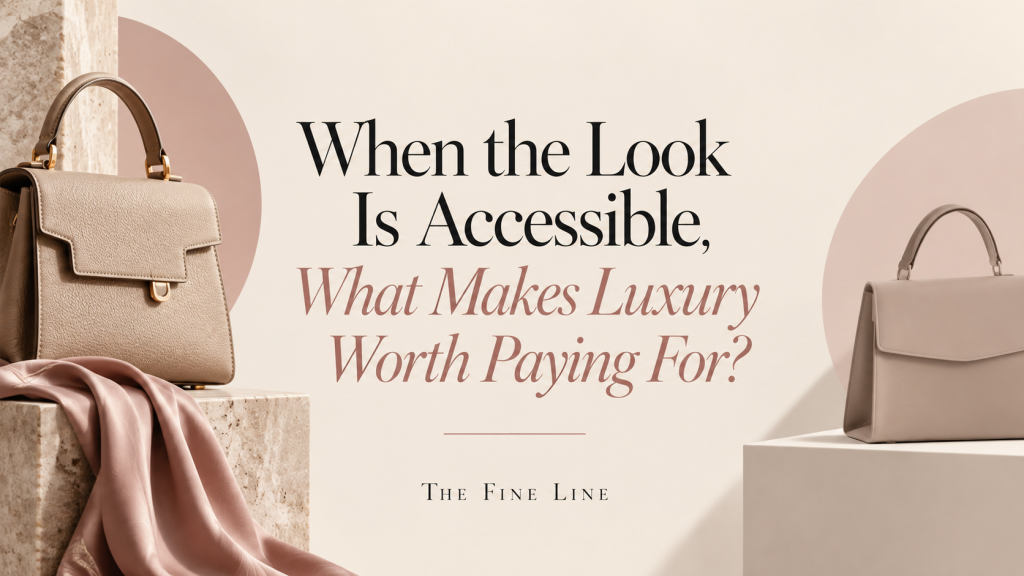
If the visual codes of luxury can be recreated at a much lower price, then the value of luxury cannot depend on appearance alone. The real differentiation may come from the meaning, experience, identity, and brand equity behind the product. To understand how professionals see this shift, I asked five experts one question: what are consumers really paying for when they choose the original?
Luis Gonzalez-Zuniga
Assistant, Gables Travel | FIU M.S. in Marketing Alumnus
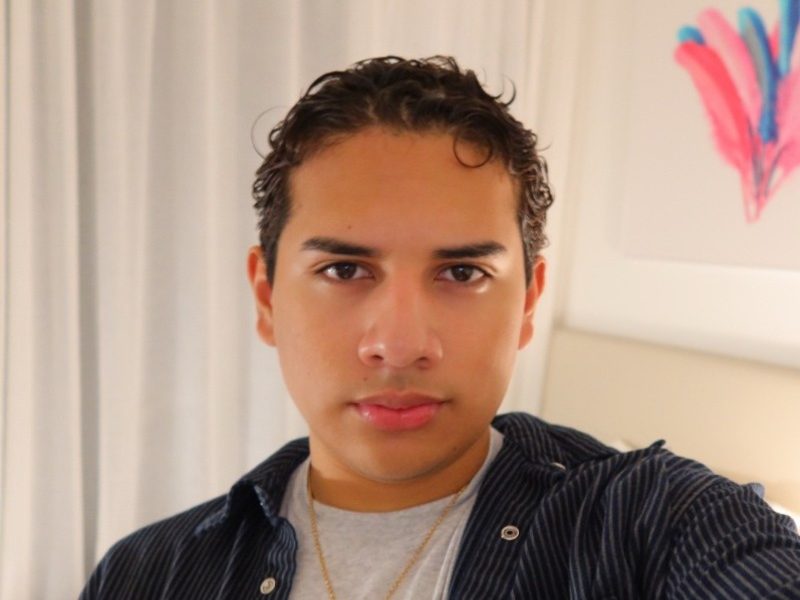
“It’s important to remember that branding is everything. While fast fashion can recreate a look, it doesn’t replace the history and emotional connection the consumer has to the original brand. Luxury fashion houses often have years of relationship building, authentic communication, and fashion history that draw consumers in. That is what they are purchasing when they opt in for the original, a familiar name or product that makes them feel something unique.”
Sofía Portero
Marketing Communications Coordinator, Florida International University | FIU M.S. in Marketing Alumna

“I think consumers are paying for more than just the look. With luxury, part of the value comes from how the product feels and the experience that surrounds the purchase. From the quality of the fabrics to the way you’re treated in store, everything is designed to make the customer feel special, and that’s something fast fashion can’t fully recreate.”
Cem Bahadir
Associate Professor of Marketing, Florida International University

“For many consumers, luxury brands are associated with exclusivity, prestige, and status. Therefore, it is not just about having the luxury look but it is about experiencing the satisfaction of experiencing the feelings exclusivity, prestige, and status.”
María Alejandra Pérez
Group Grey Market & Distribution Channel Manager, Digicel Group

“When consumers choose the original, they’re paying for much more than the look itself. They’re buying into the brand equity behind it — the craftsmanship, quality, heritage, service, exclusivity, and the confidence that comes with owning something authentic. Fast fashion can replicate the aesthetic, but it’s much harder to replicate the meaning, experience, and sense of identity that a strong luxury brand has built around the product.”
Juliana Guzmán
Content Manager, Golden Clear S.A.S
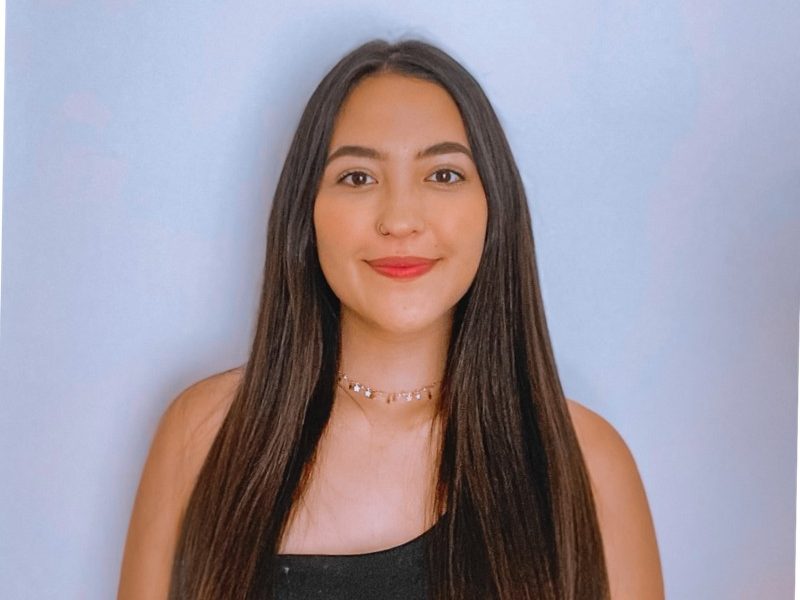
“I would argue that consumers are not necessarily paying only for the product or its functional quality, but for the symbolic value and social capital associated with the brand. Luxury brands carry a level of brand equity that communicates status, exclusivity, identity, and belonging—forms of value that fast-fashion platforms can replicate aesthetically but not necessarily socially. In this sense, the premium reflects what the brand represents within a particular social and cultural context, rather than simply what the product is made of.”
These perspectives show that the decision to buy luxury is not purely rational or functional. Consumers may know they can achieve a similar look for less, but the original can still satisfy emotional and social needs related to identity, status, belonging, and self-expression. That helps explain why two products that may look similar can still hold completely different value in the mind of the consumer.
For luxury brands, the challenge is to keep strengthening those meanings without becoming disconnected from what consumers actually value. The product still matters, but the premium comes from the combination of the product, the experience, and the symbolism surrounding it.
Consumers may buy the product, but the premium is often paid for what the product means.